Why Preventive Septic Services in Wantage NJ Are Worth It

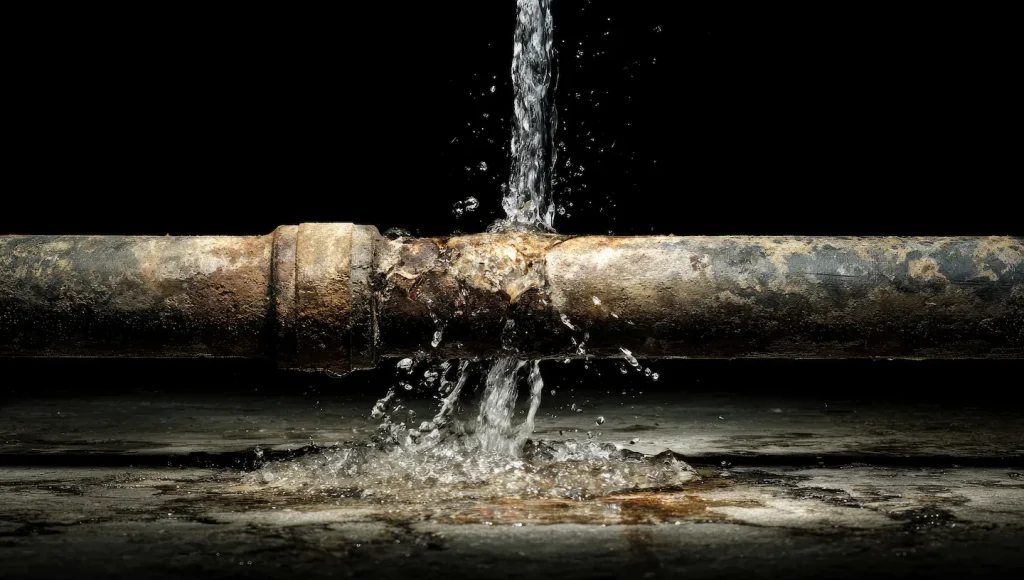

If you own a home with a septic system, you already know one truth that people on city sewer rarely think about. Wastewater treatment at home is quiet, invisible, and easy to ignore right up until it is not. A septic system can run for years with no drama, then one wet spring or one overloaded holiday weekend exposes every bit of deferred maintenance at once. At that point, the repair bill usually lands far above what routine care would have cost.
That is why preventive septic services in Wantage NJ are worth serious attention. In a place like Sussex County, where many properties rely on private septic systems and conditions can vary from one lot to the next, routine service is not a luxury or a sales tactic. It is part of protecting the house, the yard, the well water, and the household budget. Preventive care is less about doing something fancy and more about keeping a basic system working the way it was designed to work.
People often think of septic service as a single event, usually pumping. Pumping matters, but it is only one piece. Real prevention includes inspecting components, checking sludge and scum levels, spotting signs of hydraulic overload, looking for drain field stress, and catching small defects before they turn into excavators in the front yard. That broader approach is what saves money over time.
The real cost of waiting too long
Homeowners usually postpone septic work for familiar reasons. The toilets still flush. The sinks still drain. There is no smell inside. Nothing appears urgent. Septic systems encourage procrastination because they fail gradually until they fail all at once.
A tank that has gone too long without pumping does not always announce itself with a dramatic backup at first. More often, solids build slowly and start moving where they should never go, into the outlet line and eventually toward the drain field. Once solids reach the field, the stakes change. A pumping visit that might have cost a few hundred dollars can turn into a repair or replacement that costs many thousands. The exact number depends on the property, the design, soil conditions, access, permits, and the extent of damage, but homeowners are often shocked by how quickly the math changes.
That is the heart of preventive maintenance. It protects septic services Wantage NJ the most expensive part of the system, especially the drain field, because the field is where many septic failures become truly costly. Replacing a baffle, lid riser, filter, or pipe section is one kind of inconvenience. Rehabilitating or replacing a failed absorption area is another category entirely.
I have seen households ignore early warning signs because they were intermittent. A tub drained slowly only after laundry day. The yard felt soggy only after heavy rain. There was a faint odor near the tank on hot afternoons, but not every day. Each symptom felt too minor to justify a service call. Taken together, they were the system asking for help.
Why Wantage properties need a preventive mindset
Wantage is not a one-size-fits-all environment for onsite wastewater systems. Some properties have older systems installed under standards that differ from what would be required today. Some lots have excellent drainage, while others deal with tighter soils, shallow limiting layers, seasonal groundwater, or topography that complicates drainage. Add in freezing winters, wet seasons, and homes that may swing between low occupancy and heavy guest use, and the case for routine septic services becomes even stronger.
Rural and semi-rural areas also carry another layer of risk. Many homes have private wells. A neglected septic system is not only a plumbing problem. It can become a water quality concern. That does not mean every overdue tank immediately threatens a well, but the connection between wastewater management and groundwater protection is real. Preventive septic services Wantage NJ homeowners schedule consistently can reduce the likelihood of sewage surfacing, untreated effluent moving where it should not, or system stress going unnoticed for years.
The local landscape matters, too. Trees, shrubs, and mature landscaping often sit close to older homes. Roots seek moisture. They can infiltrate lines and complicate maintenance if no one is checking the system periodically. During wet periods, an already marginal field can lose what little reserve capacity it had. During family gatherings or when a house shifts from part-time to full-time use, the wastewater load may rise beyond what the neglected system can comfortably handle.
What preventive septic services actually include
A good preventive service plan is not just a truck arriving when something smells bad. It is a pattern of care based on the system’s size, age, use, and condition. Pumping intervals vary, often somewhere around every three to five years for many households, but that is a general range, not a law of nature. A small tank serving a busy household may need more frequent attention. A lightly used system may go longer, depending on inspection findings.
An experienced technician looks beyond the obvious. They check the liquid levels in the tank and look at the inlet and outlet condition. They assess the sludge and scum layers, not just whether there is room left. They may inspect effluent filters if the system has one, and note whether the tank lids, risers, or access points make future maintenance safer and easier. If distribution components are accessible, they may evaluate how evenly wastewater is moving into the field. They also pay attention to clues outside the tank, such as standing water, unusually lush patches of grass over the field, odors, or evidence of previous repairs.
When a homeowner says, “Everything seems fine,” that may be true from inside the house. The value of preventive septic services is that they reveal what the plumbing fixtures cannot tell you. Tanks do not become healthy because a toilet still flushes.
Pumping is cheap insurance, but timing matters
One common misconception is that pumping on a fixed calendar solves everything. Another is that pumping is unnecessary unless there is a backup. The truth sits in between. Pumping is essential, but it works best when timed according to the actual condition and use of the system.
A septic tank is designed to separate solids from wastewater, not to store unlimited solids forever. If sludge gets too high or scum becomes excessive, the tank loses its ability to protect downstream components. Solids can escape. Flow patterns change. The system starts operating outside its design intent. By then, damage may already be starting where the homeowner cannot see it.
Routine pumping keeps the tank functioning as a separator. That sounds simple because it is simple. Yet simple maintenance often gets deferred because it is not dramatic. People are far more likely to spend money under pressure than on prevention. The septic industry sees that pattern constantly.
For households trying to decide whether routine pumping is really worth it, one practical question helps: would you rather pay for maintenance on your schedule, or emergency work on the system’s schedule? Septic systems are not known for choosing convenient weekends.
Small issues become expensive fast
The financial argument for prevention is strongest when you look at the small components that can fail quietly. A cracked baffle, a damaged lid, a clogged effluent filter, a loose tee, a crushed line, or a root intrusion in an early stage can often be addressed before the entire system is affected. If ignored, each can trigger secondary problems that multiply cost.
A damaged outlet baffle, for example, may not produce obvious household symptoms right away. But it plays a direct role in keeping solids where they belong. If that protection is compromised, the field may be taking punishment long before anyone notices. By the time the yard turns wet or the lower-level shower backs up, the damage may not be confined to the tank.
Lid and access problems matter too. Unsafe or deteriorated covers create hazards, especially for families with children or pets. Buried or hard-to-access lids also discourage regular service because every visit becomes more labor intensive. Installing risers and secure lids is not glamorous, but it makes ongoing maintenance more practical, and practical systems get maintained.
Preventive care protects the drain field, and that is the big prize
The drain field is where most homeowners go from mild concern to genuine stress. It is expensive, disruptive, and often tied to site constraints that make replacement harder than people expect. Trees may need removal. Driveways or landscaping may be affected. Permitting and design requirements may come into play. If there is limited suitable area on the property, options can narrow quickly.
Preventive septic services help protect the field by reducing the chance that excess solids, grease, and unmanaged loading shorten its life. They also help identify when a field is showing early stress. Ponding, odors, or persistent saturated soil over the absorption area are not just nuisances. They are signals that septic services Wantage NJ the system may be struggling to accept or treat wastewater.
The earlier those signals are evaluated, the more options a homeowner usually has. Sometimes the issue is tied to water use habits. Sometimes a clogged filter or overdue tank pumping is part of the problem. Sometimes roof drainage, sump discharge, or surface water is loading the area unnecessarily. A professional can sort through those possibilities before the conversation jumps straight to replacement.
Water habits inside the house matter more than most people think
Preventive service is not only about what a contractor does. It also involves how the household uses water and what goes down the drain. A perfectly decent system can be pushed too hard by chronic overloading. Back-to-back laundry loads, long showers for a full house, and hidden leaks all add hydraulic stress. A running toilet can send hundreds of gallons a day where they do not belong. Even an efficient septic system has design limits.
Wipes labeled flushable are a frequent offender. So are grease, harsh chemical dumping, and indiscriminate use of garbage disposals. None of these automatically destroys a system overnight, but they add friction to a process that works best when solids are manageable and bacteria can do their job without interruption.
The households that get the most value from septic services are often the ones that pair maintenance with a few sensible habits:
- Spread out heavy water use when possible, especially laundry.
- Fix leaking toilets and dripping fixtures promptly.
- Keep wipes, grease, and food waste out of the system.
- Protect the drain field from vehicle traffic and soil compaction.
- Maintain a record of pumping dates, inspections, and repairs.
That short list sounds almost too basic, yet it prevents a surprising number of service calls.
Older systems need more attention, not less
There is a natural tendency to think, “This system has been here for decades and still works, so it must be fine.” Sometimes that is partly true. Older systems can perform well for a long time. But age is not a shield against wear. In fact, age is a reason to inspect more carefully.
Materials degrade. Previous repairs may have been functional rather than ideal. Layout records may be incomplete or missing. Tank access may be poor. Components that were standard years ago may not align with current best practices. Some older systems have very little reserve capacity left, but because they have limped along for years, owners assume they are robust.
An aging system is like an old roof or an old boiler. You can get plenty more life out of it if you stay ahead of maintenance and do not ignore the first signs of trouble. Septic services Wantage NJ homeowners schedule on a preventive basis are especially valuable for older properties because they create a current picture of system condition instead of relying on guesswork or memories from prior owners.
Real estate and resale value are part of the equation
Preventive maintenance also pays off when a home changes hands. Septic records matter. Buyers want evidence that the system has been cared for, pumped on schedule, and evaluated when needed. A home with no records and vague answers about the septic setup tends to invite anxiety. That anxiety can slow a sale, trigger tougher negotiations, or lead buyers to assume the worst.
By contrast, a homeowner who can show service dates, inspection notes, and any upgrades or repairs usually has a smoother conversation. It does not guarantee a perfect inspection result, but it demonstrates responsible ownership. In practical terms, that can save time and reduce friction during a transaction.
Even if a sale is years away, preventive care preserves options. Homes with neglected septic systems often face pressure decisions when a lender, buyer, or local requirement suddenly demands documentation or repairs on a tight timeline.
Emergency calls usually start with symptoms that were there all along
The dramatic failures get attention, sewage backing into tubs, alarms on advanced systems, wet spots in the yard during a family gathering, or toilets that refuse to drain before guests arrive. Yet those emergencies usually have a backstory.
The sink that gurgled occasionally. The grass that stayed greener over one patch. The odor outside after rain. The tank that had not been pumped in seven years because “we are careful.” The added bedroom in the basement that increased occupancy beyond what the original system was sized for. The landscaping project that changed grading over the drain field.
Professionals in septic services hear these stories often because septic problems rarely emerge from nowhere. Most systems provide hints. Preventive visits give those hints context. They turn vague annoyance into useful information while the fix is still manageable.
What homeowners should expect from a reputable provider
Not every service call needs to be complicated, but clear communication matters. A reputable septic company should explain what they found in plain language, not only in technical shorthand. If pumping is recommended, they should say why. If an inspection raises concerns, they should be specific about what is urgent, what should be monitored, and what might be improved for easier future service.
They should also respect the difference between maintenance and upselling. Sometimes a homeowner truly needs a repair or further evaluation. Sometimes the right answer is simply, “The system looks serviceable, here is when to check it again.” Honest providers build long-term trust that way.
If you are comparing providers for septic services Wantage NJ residents depend on, a few signs tend to separate solid companies from the rest:
- They ask about household size, tank history, and symptoms before making blanket recommendations.
- They explain findings clearly and document service dates.
- They discuss preventive steps, not just emergency fixes.
- They are realistic about what can and cannot be diagnosed in one visit.
- They treat site conditions and safety around lids and access points seriously.
That kind of approach helps homeowners make decisions with less guesswork.
Prevention is not about fear, it is about control
Some homeowners hear maintenance advice and feel like they are being pushed into spending money on a problem they cannot see. That skepticism is understandable. Septic systems are underground, and the language around them can sound alarmist if not handled carefully. But the best case for preventive service is not fear. It is control.
Routine service lets you decide when to spend money, when to schedule work, and how to plan for future repairs if they become necessary. It reduces the chance of discovering a problem during a storm, a holiday, or a home sale. It gives you a record, a baseline, and a clearer sense of how your specific system behaves.
That control matters more in areas where septic systems are common and property conditions vary widely. What works for one Wantage home may not fit the next one down the road. A large lot does not automatically mean an easy septic situation. A newer home does not guarantee a trouble-free system. A quiet tank is not always a healthy tank.
The long view pays better than the short view
Septic ownership rewards patience, observation, and routine. It punishes neglect in a way that feels unfair only if you expect underground infrastructure to take care of itself forever. It will not. Tanks fill. Components age. Soils change. Water habits shift. Families grow. Homes get renovated. All of that affects how a septic system performs.
Preventive septic services are worth it because they keep an ordinary system from becoming an extraordinary expense. They help preserve the drain field, protect water quality, support resale, and reduce the odds of emergency disruption. They also give homeowners something that is hard to price but easy to appreciate once trouble starts: confidence.
For homeowners in Sussex County, especially those seeking dependable septic services Wantage NJ properties truly need, prevention is rarely wasted money. More often, it is the least expensive choice available, just not the loudest one. The best septic systems are the ones nobody has to think about much, and the reason nobody thinks about them is usually simple. Someone maintained them before they had a chance to fail.
Excavating New Jersey LLC
Address: 406 County Rd 565, Wantage, NJ 07461
Phone number: +19737914284
FAQ About Septic Services Wantage NJ
What is the average cost to get a septic tank emptied?
Emptying a septic tank costs between $290 and $560 on average, with most homeowners paying about $420. Prices vary based on tank size.
What is septic service?
Septic service inspects, pumps, cleans, and maintains a septic tank. A septic tank is a large, underground container that collects and treats wastewater from your home. Over time, sludge, scum, and other debris, like hair and solids, can build up in your tank and clog your drain field.
How often should you have a septic tank serviced?
A standard septic tank should be inspected every 1 to 3 years and pumped every 3 to 5 years. However, the exact schedule depends on your tank's capacity, household size, and daily water usage.