Norweco Singulair Green Wantage NJ: Understanding System Components
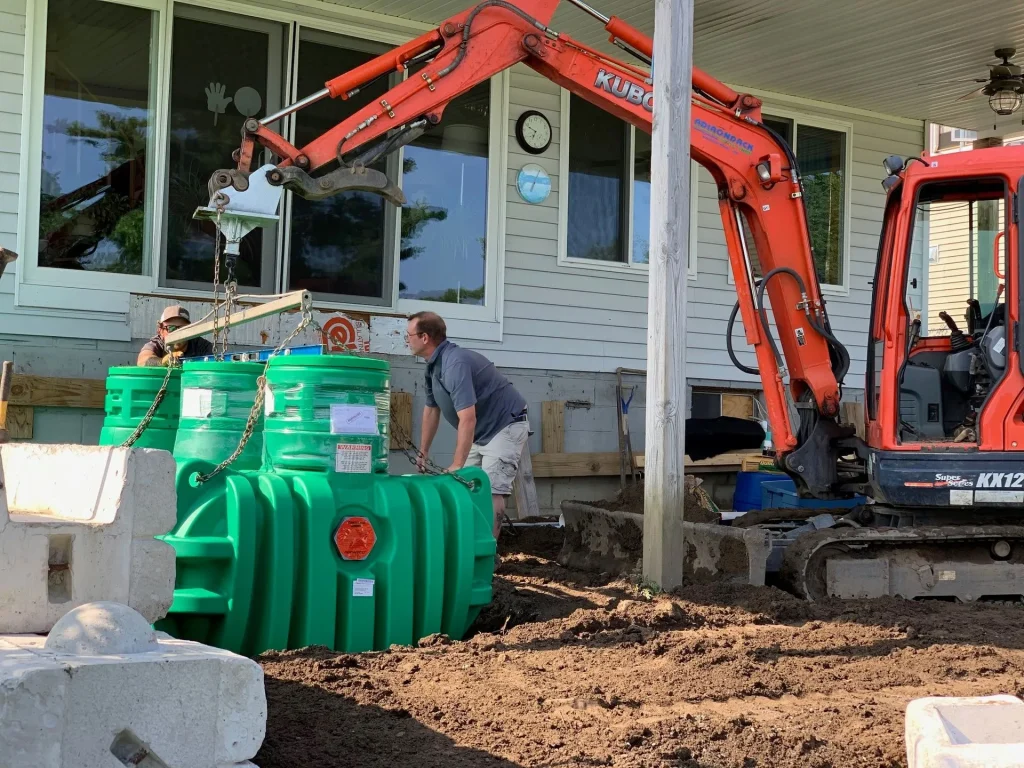

In Sussex County, wastewater systems are not abstract pieces of infrastructure. They are part of daily life, especially in places where homes are spread out, public sewer is unavailable, and the soil, grade, and groundwater conditions can make standard septic design more demanding than many property owners expect. That is exactly why the Norweco Singulair Green system comes up so often in conversations about advanced onsite treatment. If you are researching a norweco singulair green Wantage NJ installation, trying to understand a system already on your property, or preparing for service, it helps to know what each component does and how those parts work together.
A lot of confusion starts with the name itself. Homeowners hear “septic system” and picture one buried tank and a drainfield. The Singulair Green is more specialized than that. It is an aerobic treatment system, which means it uses oxygen and mechanical components to treat wastewater to a higher standard than a basic passive septic tank. That higher level of treatment can be valuable on smaller lots, environmentally sensitive sites, or properties where local requirements call for enhanced performance. It also means the system has more moving parts, more monitoring needs, and more opportunities for small maintenance issues to turn into expensive repairs if they are ignored.
The good news is that once you understand the major components, the system becomes much less mysterious.
Why this system exists in the first place
A conventional septic tank mostly separates solids from liquids and relies heavily on what happens later in the soil for final treatment. That arrangement works well in many settings, but it has limits. In areas with tighter soils, shallow limiting zones, or a need to reduce pollutants before effluent reaches the dispersal area, advanced treatment becomes attractive and sometimes necessary.
The Singulair Green was developed to produce cleaner effluent before it leaves the treatment unit. In plain terms, it gives wastewater more help inside the system rather than asking the soil to do nearly all the work. That can improve environmental performance, support compliance with local health and environmental standards, and give designers more flexibility. In Wantage, NJ, where site conditions vary from property to property, that added treatment step can be the difference between a workable design and a site that struggles with a basic system.
Still, “better treatment” does not mean “hands off.” It means the system depends on electrical equipment, timed processes, and regular service. Homeowners who do well with these systems are usually the ones who stop thinking of them as buried concrete and start thinking of them as small treatment plants serving a single house.
The big picture: how wastewater moves through a Singulair Green system
When water leaves sinks, toilets, showers, laundry, and other household fixtures, it enters the treatment train. Instead of sitting in a simple tank and then flowing out largely untreated, the wastewater moves through a series of controlled environments designed to separate, digest, aerate, settle, and discharge treated effluent.
The specifics can vary by model and site design, but the flow pattern usually includes primary settling, aerobic treatment, clarification, and then discharge to the approved disposal or dispersal component. Each of those stages depends on a specific physical part of the system. If one piece fails, the rest of the process can suffer. That is why understanding components is not just technical trivia. It helps explain odors, alarms, poor effluent quality, high service bills, and performance problems that show up later in the field.
The pretreatment section: where solids are managed first
Every wastewater treatment system has to deal with solids, and that starts early. In a Singulair Green unit, the incoming wastewater first enters a chamber where heavier solids settle and floatables rise. This first stage matters more than most homeowners realize. Aerobic treatment works best when the system is not overloaded with grease, wipes, grit, and sludge that should have been contained or broken down earlier.
This zone functions somewhat like the first compartment of a septic tank, but in an advanced treatment setup the purpose is even more strategic. If too many solids carry forward, they can interfere with aeration, clog internal passages, and reduce the efficiency of downstream treatment. Service technicians often get their clearest picture of household habits from norweco singulair green Wantage NJ this area. Excessive grease tells one story. Disposable wipes tell another. A system packed with lint and sludge from heavy laundry use tells a third.
In real field conditions, many component failures are not true equipment failures at all. They are solids management problems that spread throughout the unit. That distinction matters, because replacing a part without correcting the cause rarely fixes the system for long.
The aeration chamber: the heart of the process
If one component defines the Singulair Green approach, it is the aeration chamber. This is where oxygen is introduced into the wastewater so aerobic microorganisms can digest dissolved and suspended organic matter more aggressively than in a typical anaerobic septic environment.
Aerobic treatment changes the character of the wastewater. Instead of relying on slow decomposition in low-oxygen conditions, the system encourages a more active biological process. When operating properly, the contents in the aeration area often look and smell different from what you would expect in a traditional septic tank. There is usually more turbulence, less septic odor, and a more visibly active treatment environment.
For homeowners, the key point is simple: this stage depends on reliable air delivery. If the aeration equipment goes down, treatment quality drops. Not always instantly, and not always dramatically on day one, but the process starts slipping. A homeowner may first notice an alarm, a change in sound, or a service provider identifying low dissolved oxygen conditions during a routine visit. Left unresolved, that decline can affect clarifier performance and effluent quality heading to the disposal area.
The aerator or compressor: the component that keeps the biology alive
The aerator, sometimes discussed in practical terms as the air supply mechanism or compressor assembly depending on the design language used in the field, is one of the most important mechanical parts in the entire system. It provides the oxygen that the treatment bacteria need and keeps wastewater mixed enough to support the aerobic process.
This is also one of the parts most homeowners hear, or stop hearing. A unit that normally has a steady operating sound and then goes silent often gets attention quickly. On the other hand, a noisy aerator, especially one that begins vibrating, rattling, or running hotter than usual, can be warning that bearings, diaphragms, filters, or related elements are deteriorating. The exact failure mode depends on the equipment configuration, age, and service history.
In my experience, one of the most common homeowner mistakes is assuming that if water still drains from the house, the treatment system must be fine. Wastewater can continue moving even while treatment quality is declining. That gap between hydraulic function and treatment performance is where problems become costly. By the time ponding or backups appear, the system may have been underperforming for quite a while.
The clarification zone: where the system separates treated water from solids
After aeration, wastewater needs a calmer space so biological solids can settle out before treated effluent moves onward. That is the job of the clarification zone. This part of the system is less dramatic than the aeration chamber, but it is just as important. Good clarification helps ensure that the cleaner liquid portion leaves the treatment process while solids are retained or returned appropriately.
When clarification is compromised, the symptoms may not be obvious to a homeowner standing in the yard. A technician, though, may see telltale signs: cloudy effluent, excessive suspended solids, sludge carryover, or evidence that internal recirculation is not functioning as intended. Those conditions can shorten the life of downstream components and stress the dispersal area.
Clarification problems often trace back to what happened earlier in the process. Weak aeration, hydraulic surges from leaks or heavy water use, poor solids retention, or neglected maintenance can all upset the balance here. That is why component-level diagnosis matters. A clarifier is not an isolated box with an isolated problem. It reflects the health of the system upstream.
The control center and alarm system: the part homeowners should never ignore
Most advanced treatment systems include controls and alarms for a reason. They are not optional accessories. They are early warning tools. On a Singulair Green system, the control panel may monitor power, aeration performance, pump operation, high water conditions, or other site-specific functions depending on how the installation was designed.
An alarm condition does not always mean a disaster, but it always means the system wants attention. The most responsible move is to check whether the issue is something straightforward, such as a tripped breaker, and then contact the service provider if the cause is not immediately clear. What homeowners should not do is silence or reset alarms repeatedly without understanding why they are happening. That is the wastewater equivalent of covering up the check-engine light.
In Wantage and similar areas, where weather can bring heavy rain, freezing conditions, and intermittent power issues, alarms are especially valuable. They help distinguish between a temporary interruption and a treatment problem that needs service. If you own a norweco singulair green Wantage NJ system, learning what your specific panel indicators mean is time well spent.
Pumps and discharge components: moving treated effluent to the next stage
Many Singulair Green systems include a pump or dosing arrangement to send treated effluent to the final disposal or dispersal component. Depending on the property design, that may mean a pump tank, timed dosing, pressure distribution, drip dispersal, or another approved method. The pump does not treat wastewater, but it controls where and how the treated effluent is delivered.
That matters because dispersal systems often perform best when dosed in measured volumes rather than flooded unpredictably. A well-functioning pump system can protect the disposal field, improve distribution, and reduce hydraulic stress. A failing pump, by contrast, can trigger high-water alarms, cause uneven loading, or interrupt discharge entirely.
Field service history shows a simple pattern here. Pumps often fail from age, electrical issues, float malfunctions, debris interference, or lack of inspection. The pump itself may not be the only culprit. Floats, check valves, control settings, and wiring all matter. It is common for homeowners to hear “the pump is bad” when the deeper issue is actually a control or float problem. Good troubleshooting saves money.
Floats, timers, and small controls that do outsized work
Some of the least glamorous components are also some of the most influential. Floats detect liquid levels and tell pumps when to activate or stop. Timers can regulate dosing intervals. Small control devices help coordinate treatment and discharge so the system handles wastewater in a controlled, repeatable way.
These parts are easy to overlook because they are not large and they are usually out of sight. Yet when one sticks, tangles, loses calibration, or stops communicating properly with the panel, the whole system may behave strangely. A homeowner might notice an intermittent alarm, irregular pump cycling, or unexplained wet conditions in the dispersal area. A technician might open the tank and find something as simple as a float obstructed by stringy material or grease buildup.
Advanced onsite treatment is full of components like this. They are not individually dramatic, but they are collectively essential.
The final disposal or dispersal area: where treatment meets the soil
Even a highly effective treatment unit does not eliminate the need for a properly designed final disposal area. The treated effluent still has to go somewhere approved and sustainable. Depending on the design, that may be a soil absorption field or another dispersal method permitted for the site.
Homeowners sometimes assume the advanced treatment unit is the whole system. It is not. It is a treatment stage within a larger system. If the disposal area is undersized, damaged, saturated, or poorly maintained, excellent pretreatment will not fully rescue it. Cleaner effluent helps, certainly, but hydraulic overload and poor site conditions can still cause failure.
This is one place where local conditions in Wantage, NJ really matter. Soil permeability, seasonal moisture, slope, and setback constraints influence how the downstream portion performs. Anyone evaluating a norweco singulair green Wantage NJ setup should think beyond the treatment tank and ask how the treated water is ultimately managed on that specific lot.
What routine service actually covers
Routine maintenance is not just a paperwork exercise. On a well-serviced system, the technician is usually assessing sludge levels, aeration performance, alarms, electrical function, pumps, floats, visible effluent quality, and the general condition of the treatment train. They may clean certain components, adjust settings, verify operation, and flag issues before they become emergencies.
A proper visit often reveals small details that a homeowner would never spot from the surface. Loose electrical connections, worn air delivery parts, unusual sludge accumulation, early pump weakness, or evidence of hydraulic overloading can all show up long before the household experiences a backup. That is why service intervals matter.
The following homeowner habits tend to make the biggest difference in long-term reliability:
- Spread out laundry and heavy water use instead of sending large surges through the system in a short window.
- Keep grease, wipes, feminine products, paper towels, and other non-flushable materials out of the wastewater stream.
- Respond to alarms promptly rather than muting them and waiting for visible failure.
- Maintain the recommended service schedule and keep records of work performed.
- Protect tank lids, risers, and the disposal area from vehicle traffic and surface damage.
None of that is complicated, but all of it affects how long the components last and how well the biology performs.
Common problems owners mistake for “system failure”
A homeowner may say the system has failed when the reality is more specific. Sometimes the issue is a power interruption. Sometimes it is an alarm due to a tripped breaker. Sometimes a pump is not dosing correctly. Sometimes the treatment unit is functioning but the final field is saturated from a separate drainage problem. Those distinctions matter because repair paths and costs can be very different.
There is also a timing issue. Wastewater systems rarely go from perfect to catastrophic in one afternoon without warning. More often there is a chain of smaller signs. The blower gets noisier. The alarm flashes once. The effluent filter needs attention. The pump runs longer than usual. The lawn over one area stays damp. Months later, the owner is told the system is in trouble and feels blindsided, even though the clues were there.
A practical way to think about system problems is to separate them into three categories:
| Problem type | Typical cause | What it often looks like | | --- | --- | --- | | Mechanical | Aerator wear, pump failure, float issues, electrical faults | Alarm conditions, unusual sounds, inconsistent cycling | | Hydraulic | Leaks, excessive water use, stormwater intrusion | High water levels, frequent pump activity, field stress | | Operational | Poor maintenance, grease, wipes, harsh misuse | Sludge buildup, reduced treatment quality, recurring service calls |
That kind of sorting helps owners ask better questions and avoid jumping straight to worst-case assumptions.
How system components age in the real world
No component lasts forever, and advanced treatment systems age unevenly. Mechanical parts usually have shorter service lives than tanks and buried structures. Electrical exposure, moisture, temperature swings, and run time all influence longevity. A quiet vacation home may put very different wear on a system than a year-round household with high occupancy and frequent laundry.
In northern New Jersey conditions, freeze-thaw cycles and weather-related power events add another layer. Lids, risers, wiring connections, and above-grade control elements deserve periodic attention. So does access. One overlooked issue on rural properties is that landscaping, grade changes, or additions around the house make a once-serviceable system awkward or expensive to inspect. Good access does not improve treatment chemistry, but it improves the odds that routine care actually happens.
Owners should also understand that replacing one worn component does not reset the clock on the whole system. A new aerator in an older unit may restore performance, but it does not make old floats, aging wiring, or a stressed disposal area suddenly new. Smart maintenance means looking at the system as an interacting whole.
Questions worth asking if you own or are buying a home with one
When people encounter a Singulair Green system during a home purchase, they often focus only on whether it passes inspection at that moment. A better approach is to ask how the system has been cared for and whether the major components show signs of orderly maintenance or deferred attention.
A few questions are especially useful:
- Who has been servicing the system, and are records available?
- When were the aeration and pumping components last inspected or replaced?
- Has the alarm system activated recently, and if so, why?
- What kind of final dispersal method does the property use?
- Are there any known issues with water use, drainage, or seasonal wetness on site?
Those answers often tell you more than a quick visual snapshot. A clean lid and tidy yard can still hide neglected mechanicals. On the other hand, an older system with good records and consistent service may be a better risk than a newer unit with no history.
Why component knowledge pays off
Most homeowners never need to become wastewater specialists, but they do benefit from understanding what they own. When you know the difference between aeration, clarification, pumping, and disposal, service conversations become clearer. Estimates make more sense. Alarm events are less intimidating. Preventive work feels justified rather than arbitrary.
That is particularly true with a norweco singulair green Wantage NJ property, where the system is often part of a site-specific solution rather than a one-size-fits-all septic install. The more tailored the design, the more valuable it is to understand the role of each component. A treatment unit is not just a tank. An alarm is not just a nuisance. A service interval is not norweco singulair green Wantage NJ just a contract requirement. They are all part of keeping treatment performance stable and protecting the larger investment in the home.
For owners, the most practical mindset is this: learn the components, respect the maintenance schedule, and treat every unusual sound, alarm, or wet spot as information rather than inconvenience. That approach tends to produce longer equipment life, fewer emergencies, and a much better chance that the system will perform the way it was designed to perform.
Excavating New Jersey LLC
406 County Rd 565
Wantage, NJ 07461, United States
Phone: +1 (973) 791-4284
FAQ About norweco singulair green Wantage NJ
How does a Norweco septic system work?
Singulair Green uses aerobic biological treatment in a polyethylene tank, followed by settling and filtration. The treatment unit is one part of a complete wastewater system; the site design also determines how treated effluent is dispersed.
How much does a Norweco septic system cost in NJ?
A useful estimate requires a property evaluation. Excavation access, soil conditions, engineering, electrical work, the disposal field, and restoration can affect the total. Ask Excavating New Jersey LLC for a written scope that distinguishes installation costs from ongoing service costs.
Are Norweco septic systems good?
Singulair Green is an established aerobic treatment option, but suitability depends on the property and proposed design. Compare the model's documented performance, maintenance needs, and total project scope with alternatives before deciding.