Norweco Singulair Green Buyer’s Guide: What to Know Before You Invest
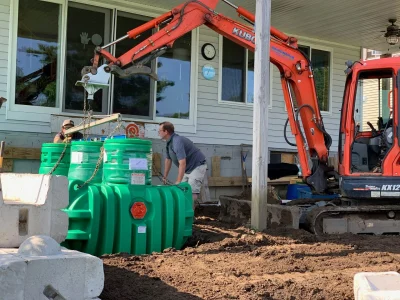
Buying an on-site wastewater treatment system is not like buying an appliance. The decision reaches into permitting, excavation, power supply, service access, long-term operating cost, and even future resale conversations. If you are considering a norweco singulair green system, you are already looking beyond a basic septic tank and into a more engineered treatment approach. That usually means you have site constraints, stricter discharge requirements, a small or difficult lot, or a local regulator who wants higher treatment performance than a conventional gravity system can reliably provide.
That is the right moment to slow down and ask better questions.
I have seen buyers focus almost entirely on purchase price, then get blindsided by electrical work, service agreements, control panel placement, pump replacement cycles, or the simple reality that advanced treatment units ask more of the owner than a passive tank in the ground. None of that means the system is a poor choice. It means the value is tied to fit. On the right property, with the right installer and maintenance support, an aerobic treatment unit can solve problems that conventional systems simply cannot handle well. On the wrong property, or in the hands of an owner who expects to ignore it for years, it can become a source of frustration.
Where the Singulair Green fits in the market
The Norweco Singulair line is generally associated with residential wastewater treatment systems that provide a higher level of treatment than a simple septic tank. The “Green” branding is commonly discussed in the context of energy efficiency and a compact, integrated treatment approach, though exact features can vary by model generation and local package configuration. That last point matters more than many buyers realize. Dealers and installers may offer a system package that includes different tanks, control options, alarms, discharge arrangements, or accessory components depending on jurisdiction and site conditions.
So when people compare one advanced treatment unit to another, they often compare marketing descriptions instead of installed systems. What you are actually buying is not just a tank. You are buying a treatment process, a controls package, a pumping and aeration setup, an installation design, and a future service relationship.
A conventional septic system relies heavily on settling in the tank and final treatment in the soil. An aerobic treatment unit, by contrast, introduces oxygen and more active biological treatment before effluent reaches dispersal or discharge. That can improve effluent quality when designed and maintained properly. It can also open doors on sites with poor native soils, tighter setbacks, smaller drainfield footprints, or performance-based permit requirements.
The trade-off is straightforward. More treatment usually means more components, more oversight, and more sensitivity to neglect.
Why homeowners end up considering one
Most buyers do not wake up wanting an advanced wastewater treatment system. They get there because the site forces the issue. I have seen that happen in several common situations. A lake property with limited space. A replacement project where the original drainfield failed and setbacks leave few options. A home addition that increases bedroom count and triggers a system upgrade. A rural build on marginal soils where a conventional design would be oversized, expensive, or simply not approvable.
The norweco singulair green often enters the conversation because it is intended to provide higher treatment performance in a relatively compact footprint. That can matter when every square foot counts. It can also matter when a local authority wants a treatment level that reduces loading on the dispersal area or protects nearby water resources.
That said, a compact treatment unit does not make the rest of the project compact. The property still needs room for installation, access, and whatever final effluent dispersal method the permit requires. Some buyers hear “advanced treatment” and assume it means no drainfield, no site limitations, and no future maintenance. That is not how this works. The best way to think about it is that the treatment unit improves your options, but it does not erase the laws of soil, topography, groundwater, or local regulation.
The first question is not price, it is approval
Before you get attached to any specific brand, find out whether your local health department, environmental agency, or permitting authority accepts that technology for your application. This is the part people skip because it feels bureaucratic. It is also the part that saves the most money.
Some jurisdictions maintain an approved-products list. Others approve systems by treatment category rather than brand. Some require a designer or engineer to specify the unit as part of a complete plan. Others require a service contract before final sign-off. In certain areas, advanced treatment units are routine. In others, they are allowed only under defined site constraints.
If you ask a dealer for a quote before understanding the permit path, you may get a number that has little connection to what your property will actually require.
A good early conversation sounds like this: “I have this lot, these setbacks, this bedroom count, these soil conditions if known, and this intended use pattern. Is the Singulair Green an approvable option here, and what does the jurisdiction typically require around it?” That one question often reveals whether you are pursuing a practical solution or a dead end.
Installation cost is only the visible layer
Advanced treatment systems can be expensive in ways that do not show up in the brochure. The base equipment matters, but it is only one part of the budget. Excavation complexity, dewatering, fill requirements, electrical trenching, control panel mounting, discharge piping, pump chambers, and restoration often move the final number as much as the unit itself.
On a straightforward rural lot with easy access and good soils, the total project may feel manageable. On a sloped lot with poor access and strict setbacks, it can climb quickly. I have seen buyers budget for “the tank” and overlook the electrical contractor, the permit fees, and the long-term maintenance agreement. Those are not side costs. They are core costs.
The smart way to evaluate value is to compare full installed cost across realistic alternatives, not just equipment quotes. Sometimes the advanced unit is clearly the cheapest path to approval. Sometimes a more conventional design with site work turns out competitive. Sometimes the real value lies in preserving usable yard area or making a desired home plan possible. That kind of value is real even if it does not show up as a lower invoice.
What ownership feels like after the installers leave
This is where expectations matter. A conventional septic system can tolerate a surprising amount of owner indifference, at least for a while. An aerobic treatment system should not be treated that way. It has active components, typically needs periodic inspection, and benefits from owners who pay attention.
That does not mean daily involvement. It means understanding that the system is part utility, part appliance, and part infrastructure.
You should expect periodic service visits, alarm awareness, and Excavating New Jersey LLC norweco singulair green some operational discipline. If the system includes aeration equipment and controls, power loss is more consequential than with a purely passive setup. If there is an alarm, you need to respond to it. If the service provider tells you certain cleaners, wipes, solvents, or high-volume surges are a problem, that is not sales talk. Biological treatment processes can be upset by abuse.
Many homeowners do perfectly well with advanced treatment systems once they accept a simple truth: better treatment comes with stewardship.
Questions that separate a good quote from a risky one
If you only remember one section of this guide, let it be this one. A clean-looking proposal can still leave out important realities. These are the questions that usually expose whether you are dealing with a thorough installer or a hopeful salesperson.
- What exactly is included in the quoted system package, including controls, alarms, electrical work, excavation assumptions, startup, and final restoration?
- What service or inspection schedule is required by the manufacturer or local code, and what does that service typically cost per year?
- Who will provide warranty support and routine maintenance, and how far are they from my property?
- What happens during a power outage, high-water event, or alarm condition, and what should the homeowner do first?
- How does this design handle my site-specific conditions, including soil limits, seasonal use, bedroom count, and expected water volume?
A contractor who answers these clearly is easier to trust than one who pivots back to “our system is the best.” The quality of the support network often matters as much as the badge on the lid.
Service support is not a minor detail
I put service support near the top of the decision tree because it tends to predict owner satisfaction better than almost anything else. A well-installed system with weak follow-up becomes a headache. A good local service company can make ownership almost boring, which is exactly what you want.
Ask who handles startup, who handles scheduled maintenance, and who takes emergency calls. Ask whether replacement parts are readily available in your region. Ask how often technicians service this product line and whether they routinely work with your local permitting office. Those practical details matter more than glossy performance language.
There is also a psychological side to this. Homeowners are much more comfortable with advanced systems when they know there is a competent person nearby who has seen every common problem before. If your nearest qualified service provider is hours away, that should influence the decision.
Energy use and operating cost, the part buyers underestimate
The “Green” name naturally makes people ask about efficiency, and that is reasonable. Any aerobic treatment process with active components will use electricity, though actual consumption depends on system configuration, duty cycles, pumping needs, and household usage patterns. It is wise to think in annual cost rather than abstract efficiency claims.
In many homes, the electrical cost may feel modest compared with overall household utility spending. But energy is only one line item. Add service visits, pumping intervals, filter cleaning or replacement if applicable, and eventual component wear. Then the operating picture becomes clearer.
This is not a reason to avoid the system. It is a reason to budget honestly. A buyer who plans for recurring costs tends to remain satisfied. A buyer who expects advanced treatment with near-zero upkeep usually does not.
One practical note from field experience: usage patterns matter. A full-time household with steady flow often treats biological systems more gently than a vacation home with long dormant periods followed by heavy weekend spikes. That does not make seasonal use impossible, but it should be discussed during design and startup.
Not every household is an ideal match
The best wastewater treatment system is the one that matches how people actually live. If you have a large family, frequent guests, or home-based work that drives water use, your designer needs realistic numbers. If the property is used seasonally, that also needs to be addressed. If you are the kind of owner who never notices warning lights, never reads service reminders, and dislikes any recurring maintenance relationship, you may be happier with a simpler system if the site allows one.
There are also ownership transitions to think about. If you plan to sell in a few years, ask yourself how easy it will be to explain the system to a buyer. That is not a deal-breaker. Plenty of homes with advanced systems sell just fine. But documentation helps. A clean install record, permit file, service history, and clear operating instructions make the property easier to understand and less intimidating to the next owner.
Performance depends on the design around the unit
A treatment device does not operate in isolation. Even a high-quality unit can disappoint if the overall design is poor. Effluent still has to go somewhere. Pumps still need proper sizing. Tanks still need correct placement and elevation. Control panels still need protection and accessibility.
I have seen two installations of the same product produce very different owner experiences because one designer understood the site and the other treated the plan like a catalog exercise. One had sensible access, thoughtful control placement, and a service-friendly layout. The other buried inconvenience into every step, from awkward riser locations to difficult pump access to a panel mounted where no one wanted to walk in winter.
That is why I caution buyers not to shop only by brand. The better question is whether the entire system, from pretreatment through dispersal or discharge, is appropriate for the property and easy to maintain over time.
A short buyer checklist before you sign
Use this as a final screen before committing to a proposal.
- Confirm the system is acceptable for your jurisdiction and your specific site conditions.
- Get a full installed scope in writing, not just equipment pricing.
- Verify who will service it, how often, and at what annual cost range.
- Ask for the owner responsibilities in plain language, including alarm response and power-outage guidance.
- Keep copies of permits, design drawings, startup records, and warranty terms from day one.
Those five steps eliminate a surprising amount of future confusion.
Red flags that deserve a pause
Some warning signs show up again and again. One is the quote that feels unusually low because it leaves key items vague. Another is the installer who dismisses maintenance as trivial or “basically maintenance-free.” Advanced treatment systems are often manageable, but they are not magic boxes. A third is the salesperson who cannot explain the local permitting process or who seems irritated when you ask about long-term service.
Be cautious if nobody wants to discuss power interruptions, pumping intervals, or what happens if the alarm sounds on a holiday weekend. Real professionals answer those questions directly because they deal with them routinely.
Another red flag is a mismatch between household habits and system assumptions. If you have a short-term rental, high occupancy swings, or long seasonal shutdowns, bring that up early. Hiding difficult use patterns does not help you. It just leads to a design that works on paper and struggles in practice.
How the Norweco Singulair Green compares in practical terms
Without reducing the market to winners and losers, it is fair to say the norweco singulair green typically enters consideration when a buyer needs compact, higher-level treatment from a known brand in the on-site wastewater space. That can be a strong position. Buyers often value established dealer networks, familiar approval pathways in some regions, and the fact that local professionals may already know how to install and service the product.
Where it may feel less attractive is to owners seeking a set-it-and-forget-it mindset. If your ideal wastewater system is one you never think about, any advanced aerobic setup may require a mental adjustment. The right comparison is not “Is this more complicated than a basic septic tank?” because it almost certainly is. The right comparison is “Does this solve a site or regulatory problem better than the alternatives, at a cost and maintenance level I can live with?”
For many properties, the answer is yes.
What to ask yourself before you invest
The smartest buying decisions usually come from a few honest self-assessments. Are you solving a hard site problem or just chasing a brand name? Do you have a reliable local installer with service support? Can you budget for annual operating and maintenance costs without resentment? Will the people living in the house respect what should and should not go down the drain? Does the full design, not just the treatment unit, make sense for your lot?
If the answers line up, the investment can be sensible and durable. If they do not, even a well-regarded system can feel burdensome.
There is one more practical point worth making. Keep your expectations engineering-based, not marketing-based. No wastewater system likes grease overload, wipes, solvents, neglected pumping, or uncontrolled water use. No system becomes better because it is described with eco-friendly language. What matters is whether the treatment process is appropriate, approved, competently installed, and properly maintained over time.
That is the lens through which to judge the Norweco Singulair Green. Not as a logo, and not as a promise of trouble-free perfection, but as a tool. On the right site, with the right support, it can be an effective one.
Excavating New Jersey LLC
406 County Rd 565, Wantage, NJ 07461, United States
+1 973-791-4284
FAQ About norweco singulair green
How much does a NORWECO septic system cost?
The installed cost depends on the selected unit, engineering, site access, excavation, electrical work, disposal-field design and required approvals. A tank-only price is not a complete installation quote. Ask Excavating New Jersey LLC for a site-specific, itemized estimate that also explains ongoing service costs.
How does a Norweco septic system work?
The Singulair Green uses pretreatment, aeration, clarification and filtration to treat domestic wastewater. In the aeration chamber, oxygen supports bacteria that break down organic material. The Bio-Kinetic unit provides further filtration and flow equalization. Final effluent disposal must follow the property's approved design and applicable requirements.
What is the average lifespan of a septic system?
There is no guaranteed lifespan for every system. Design, installation, soil conditions, wastewater loading and regular maintenance all matter, and mechanical parts may need replacement before the tank. For a Singulair Green system, follow the manufacturer's service schedule and have a qualified provider assess its condition and pumping needs.