How Professional Service Keeps Norweco Singulair Green Running in Wantage NJ
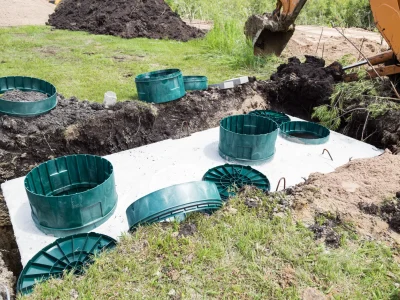
In Sussex County, wastewater systems live a harder life than many homeowners realize. The ground freezes, spring rain saturates soil, summer occupancy can spike, and plenty of properties sit outside the reach of municipal sewer lines. In places like Wantage, that means the performance of an onsite treatment system is not just a technical issue. It affects the yard, the home, local groundwater, and the owner’s peace of mind.
That is especially true with advanced treatment equipment such as the Norweco Singulair Green. These systems are designed to do more than a basic septic tank. They treat wastewater to a higher standard through a controlled process that depends on aeration, settling, recirculation, and disinfection or clarification components, depending on the configuration. When everything is working as intended, the system can be remarkably effective and efficient. When maintenance slips, small issues tend to become expensive ones.
Homeowners searching for information about norweco singulair green Wantage NJ are usually asking a practical question beneath the technical one: what does it take to keep this system reliable year after year? The short answer is professional service, done consistently and done by someone who understands how these units behave in the field, not just on a product sheet.
Why this system is different from a conventional septic setup
A conventional septic system is simple in concept. Wastewater leaves the house, solids settle in the tank, and partially treated effluent moves into a disposal field. There are still maintenance needs, especially pumping and protecting the field, but the system itself is fairly passive.
A Norweco Singulair Green unit is more active. It uses mechanical and biological treatment to improve effluent quality before discharge or dispersal. That higher level of treatment is one reason advanced units are chosen for sites with tighter environmental requirements, smaller lots, difficult soils, or properties where standard septic designs are not ideal. In parts of New Jersey, advanced treatment can be the difference between a buildable lot and a problem parcel.
That sophistication brings responsibility. An advanced treatment unit is not something to ignore for five or ten years and then hope for the best. It has electrical components, moving parts, air delivery components, internal chambers, and treatment conditions that need to stay in balance. Professional service protects that balance.
What professional service actually does
Some homeowners hear “service contract” and think it means someone opens the lid, glances inside, and leaves a sticker behind. Good service is far more involved than that.
A competent technician checks system operation from several angles. Mechanical performance is part of it. Is the aerator running properly? Is airflow where it should be? Are alarms functioning? Are switches, timers, and floats operating correctly if the installation includes them? Is there unusual noise, vibration, or heat from a motor?
The treatment process matters just as much. A seasoned service professional looks at water clarity, foam patterns, sludge accumulation, scum thickness, and evidence of short-circuiting or hydraulic overload. Those details tell a story. A unit can have power and still be underperforming biologically. It can also look quiet and normal at the surface while something important is drifting out of spec underneath.
In my experience, the most valuable service visits are the ones where the technician is not just checking boxes but interpreting what the system is telling them. A slight change in effluent appearance in early spring, for example, may point to infiltration after heavy snowmelt. A recurring alarm after holiday weekends may indicate peak flow habits inside the home rather than equipment failure. Those are different problems, and they need different solutions.
Wantage conditions can be tough on onsite systems
Wantage is not a one-size-fits-all environment. Elevation, drainage, and property layout vary a lot from one lot to the next. Some homes have excellent separation and favorable grading. Others deal with wet periods, shallow restrictive layers, long lateral runs, or older site constraints that make the treatment train work harder.
Cold weather is another factor. Winter does not usually destroy a properly installed and maintained unit, but it can expose weak spots. If a component is already struggling in late fall, January is rarely the month when it gets better on its own. Frozen discharge lines, stressed blowers, and neglected covers or risers can turn an ordinary service issue into an emergency call.
Seasonal occupancy patterns also matter. Some homes in the region have periods of low use followed by sudden heavy use when family visits, rentals, or gatherings pick up. Biological treatment systems prefer relative consistency. Wild swings in loading can upset the process, especially if those swings come with bleach-heavy laundry, grease, wipes, or a sudden flood of water from long showers and back-to-back appliance cycles.
That is one reason local experience matters so much when servicing a norweco singulair green Wantage NJ system. Field conditions shape service decisions.
The quiet value of routine inspections
Routine inspections rarely feel urgent, which is exactly why homeowners postpone them. The irony is that the least dramatic visit often saves the most money.
A blower or aerator does not always fail instantly. It often weakens first. Air delivery drops, treatment quality starts slipping, solids behave differently, and the system begins drifting toward trouble. Catching that decline early might mean a repair, a rebuilt component, or a scheduled replacement before a weekend outage or alarm event. Waiting can lead to backups, odors, damage to downstream components, or a stressed dispersal area receiving poorer-quality effluent than it should.
The same is norweco singulair green Wantage NJ true for solids management. Sludge and scum do not become a crisis overnight. They accumulate gradually. During regular service, a technician can tell whether pumping intervals still fit the household’s actual water use. A norweco singulair green Wantage NJ family of five with frequent laundry habits does not load a system the same way a retired couple does. Pumping on a rigid calendar without regard to real conditions is not smart maintenance. It is guesswork dressed up as planning.
What skilled technicians notice that homeowners often miss
Most homeowners are perfectly capable of spotting an alarm panel, an odor, or wet ground. The harder part is recognizing subtle changes before they become obvious failures.
A good service technician notices small shifts. Maybe the aeration pattern looks lazy. Maybe there is evidence that solids are carrying over further than they should. Maybe the pump cycle count suggests an abnormal increase in flow. Maybe root intrusion is starting at a line connection. Maybe someone replaced a breaker after a nuisance trip, but no one addressed why the electrical load changed in the first place.
These are not theoretical issues. They are the kinds of real-world findings that separate a smooth-running system from one that drifts into repeated trouble calls.
One homeowner I dealt with years ago insisted the system was fine because “the alarm only goes off once in a while after rain.” That phrase, once in a while after rain, usually deserves attention. The service visit showed groundwater infiltration through a compromised access cover and an overloaded condition downstream during wet periods. The fix was manageable because it was handled then. Left alone for another season, it would almost certainly have become a much uglier and more expensive problem.
Preventive care is cheaper than corrective work
People sometimes hesitate at the cost of professional service because it is a scheduled expense attached to something they cannot see every day. But advanced treatment units almost always reward preventive care.
The math does not need exact universal numbers to make sense. A routine service visit and periodic pumping are controlled costs. Emergency diagnostics, after-hours calls, motor replacement under stress, excavation to reach failed piping, restoration of a damaged yard, and remediation of a compromised disposal area are uncontrolled costs. One category is planned. The other usually arrives at the worst possible time.
Professional service also helps protect the lifespan of the whole system, not just individual components. If treated effluent quality drops for long enough, downstream soil treatment areas can be burdened more than they were designed to handle. Restoring or replacing that part of the system is far more disruptive than replacing a worn electromechanical part in time.
The homeowner habits that make service more effective
Even the best technician cannot service away chronic misuse. Advanced onsite systems do their best when the household treats them like treatment systems, not magic boxes underground.
The homes that tend to have fewer avoidable problems usually follow a few common-sense practices:
- They spread out water use instead of stacking long showers, laundry, and dishwasher runs into the same narrow window.
- They keep grease, wipes, hygiene products, and other non-degradable materials out of the system.
- They respond quickly to alarms or odd symptoms instead of waiting to see if the issue disappears.
- They maintain access to lids, risers, and control components so service can be done safely and efficiently.
- They keep records of service, pumping, repairs, and any recurring operating issues.
None of that is glamorous, but it makes a meaningful difference. Good operation inside the house gives professional service a stable system to work with.
Why local knowledge matters in Wantage NJ
There is a broad difference between a company that can service treatment units in theory and one that regularly works on them in the local area. On paper, wastewater systems follow engineering principles. In the field, they reflect local weather, soil conditions, installation history, and homeowner use patterns.
A technician familiar with Wantage and the surrounding area often knows what to look for before the lid comes off. They know which neighborhoods see persistent wet-weather challenges. They know how older installations tend to have been configured. They understand how frost depth, access conditions, and seasonal occupancy can affect service planning. They also know when a problem that looks like equipment failure is actually a site issue, and vice versa.
That matters because misdiagnosis costs money. Replacing a component that was not the root cause only delays the real repair. It is the onsite equivalent of replacing a thermostat when the real issue is a blocked airflow path. Advanced systems need troubleshooting, not assumptions.
Service intervals are not arbitrary
A common question from homeowners is how often a Norweco Singulair Green unit should be serviced. The exact answer depends on the permit requirements, site design, local regulations, and the household’s actual usage. Some installations are tied to specific monitoring or maintenance schedules. Others may allow some flexibility as long as performance and recordkeeping are maintained.
What should not happen is the all-too-common drift from regular service into “we will call if something happens.” By the time something happens in a way that a homeowner can clearly see, the system may already have spent weeks or months under strain.
Professionals usually build service around the system’s real needs. They may increase attention when occupancy changes, after a repair, or during periods when a recurring issue has been identified. They may recommend pumping based on observed solids rather than a generic date on the calendar. That is what useful service looks like: informed, adjusted, and documented.
What a strong service relationship looks like
Not every service provider offers the same level of care. The strongest relationships usually share a few traits. Communication is clear. Findings are explained in plain language. The technician distinguishes between urgent repairs, recommended follow-up, and watch-list items. Records are kept. The homeowner understands what normal operation looks like and when to call.
There is also honesty about trade-offs. Sometimes a repair makes sense because the component is still within a reasonable service life and the rest of the unit is in good shape. Other times, repeated patchwork on an aging assembly is a poor investment. Professional judgment means saying both things when appropriate, not automatically steering every job toward either the cheapest option or the biggest invoice.
A thoughtful service provider will also pay attention to patterns. If the same issue keeps returning, the goal should be to identify the operating condition behind it. Repeated alarms after heavy laundry days, chronic solids carryover, recurring pump stress, or wet-season surcharging all point to broader causes. Treating symptoms alone is not enough.
Signs your system may need attention sooner rather than later
Homeowners do not need to diagnose their own treatment unit, but they should recognize conditions that deserve a call. The most common warning signs are usually fairly plain once you know them:
- Alarm activation or repeated breaker trips
- Persistent odors near the unit, venting area, or discharge point
- Unusually wet or spongy ground where it should be dry
- Slow drains or plumbing behavior that has changed without another clear cause
- A noticeable change in sound from motors, blowers, or other active components
None of these signs automatically means a catastrophic failure. Sometimes the fix is straightforward. What matters is timing. Systems are usually more repairable, and repairs are usually less invasive, when the response is quick.
Records, compliance, and resale value
One practical point that owners sometimes overlook is the administrative side of advanced wastewater treatment. Depending on the property and local rules, service documentation may matter beyond the immediate health of the system. Records can support permit compliance, help with real estate transactions, and reassure buyers that the system was professionally maintained.
Anyone who has been involved in a home sale with an advanced onsite system knows how quickly uncertainty can spook a deal. Buyers hear “special septic system” and imagine endless expense. Clear service history changes the conversation. It shows that the system has been professionally cared for, that the owner did not ignore maintenance, and that there is a documented pattern of responsible operation.
That may not be the first reason to keep a service file, but it is a smart one.
The bigger picture: protecting the property and the environment
A high-performing treatment unit serves the homeowner, but it also serves the site. Better treatment supports the long-term health of the disposal area and helps reduce the risk of contaminant movement from poorly treated wastewater. In a place where many homes depend on wells and onsite systems, that matters. Nobody needs exaggerated environmental language to understand the point. What leaves the house has to be managed properly somewhere, and advanced treatment only delivers its benefits when it is maintained properly.
That is why professional service should be viewed as part of ownership, not an optional add-on. The Norweco Singulair Green is built to do serious work. It can do that work very well. But it depends on inspection, adjustment, cleaning, repair, and informed oversight from people who know what normal looks like and can spot trouble early.
For homeowners managing a norweco singulair green Wantage NJ system, the goal is not simply avoiding failure. It is preserving steady performance through wet springs, cold winters, changing household use, and the ordinary wear that every mechanical treatment system experiences over time. Professional service is what keeps that goal realistic.
When the right technician is involved, maintenance stops feeling like a burden and starts functioning the way it should, as a practical strategy that protects the equipment, the property, and the people living there. That is the real value of professional care.
Excavating New Jersey LLC
406 County Rd 565
Wantage, NJ 07461, United States
Phone: +1 (973) 791-4284
FAQ About norweco singulair green Wantage NJ
How does a Norweco septic system work?
Singulair Green uses aerobic biological treatment in a polyethylene tank, followed by settling and filtration. The treatment unit is one part of a complete wastewater system; the site design also determines how treated effluent is dispersed.
How much does a Norweco septic system cost in NJ?
A useful estimate requires a property evaluation. Excavation access, soil conditions, engineering, electrical work, the disposal field, and restoration can affect the total. Ask Excavating New Jersey LLC for a written scope that distinguishes installation costs from ongoing service costs.
Are Norweco septic systems good?
Singulair Green is an established aerobic treatment option, but suitability depends on the property and proposed design. Compare the model's documented performance, maintenance needs, and total project scope with alternatives before deciding.